Claude Monet
Licht des Augenblicks
Documentation 52 min - 2020


Produced by Kobalt Documentaries and Elda Prooductions
in collaboration with ZDF/arte, SRF 1 and France 3


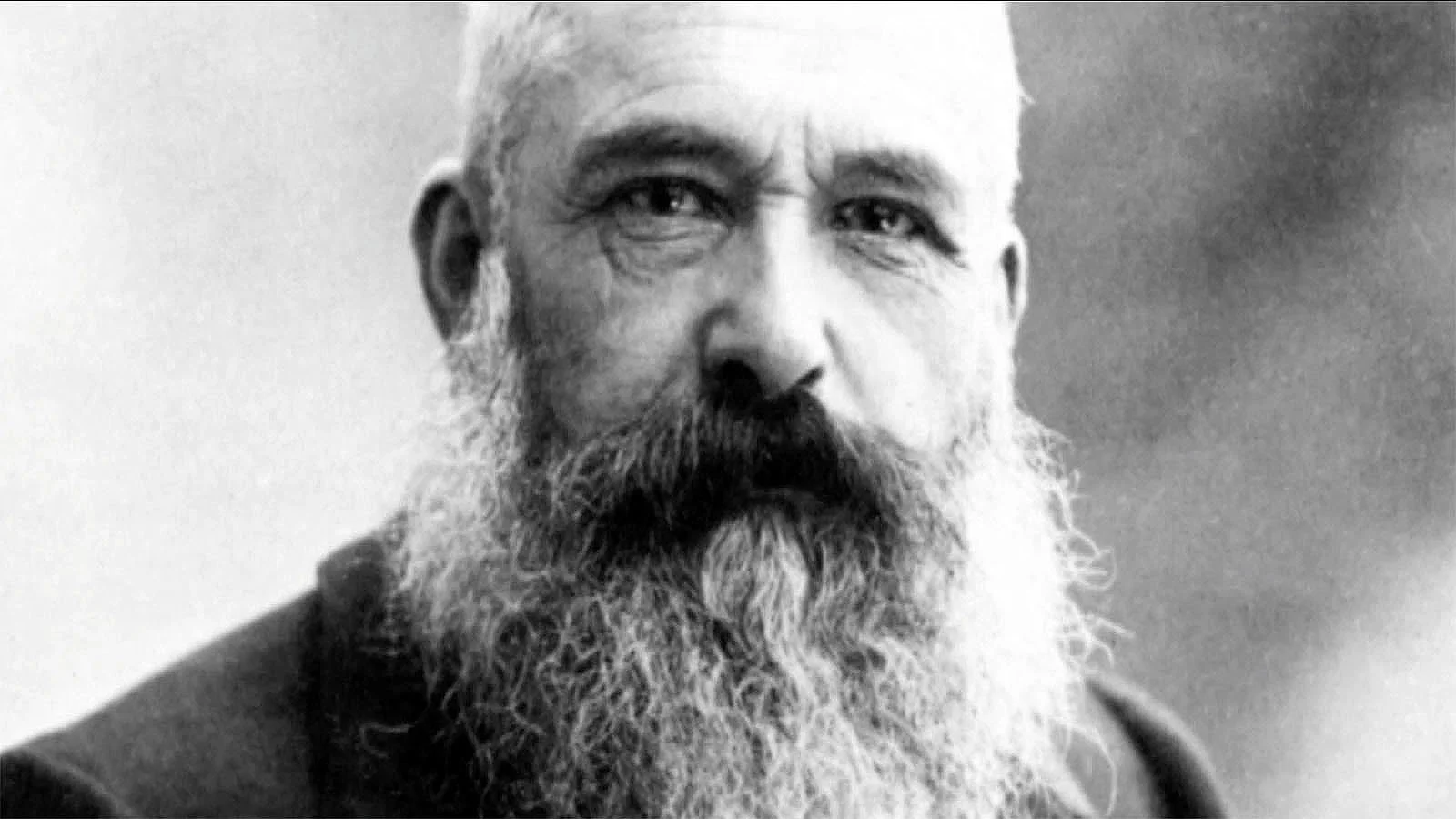
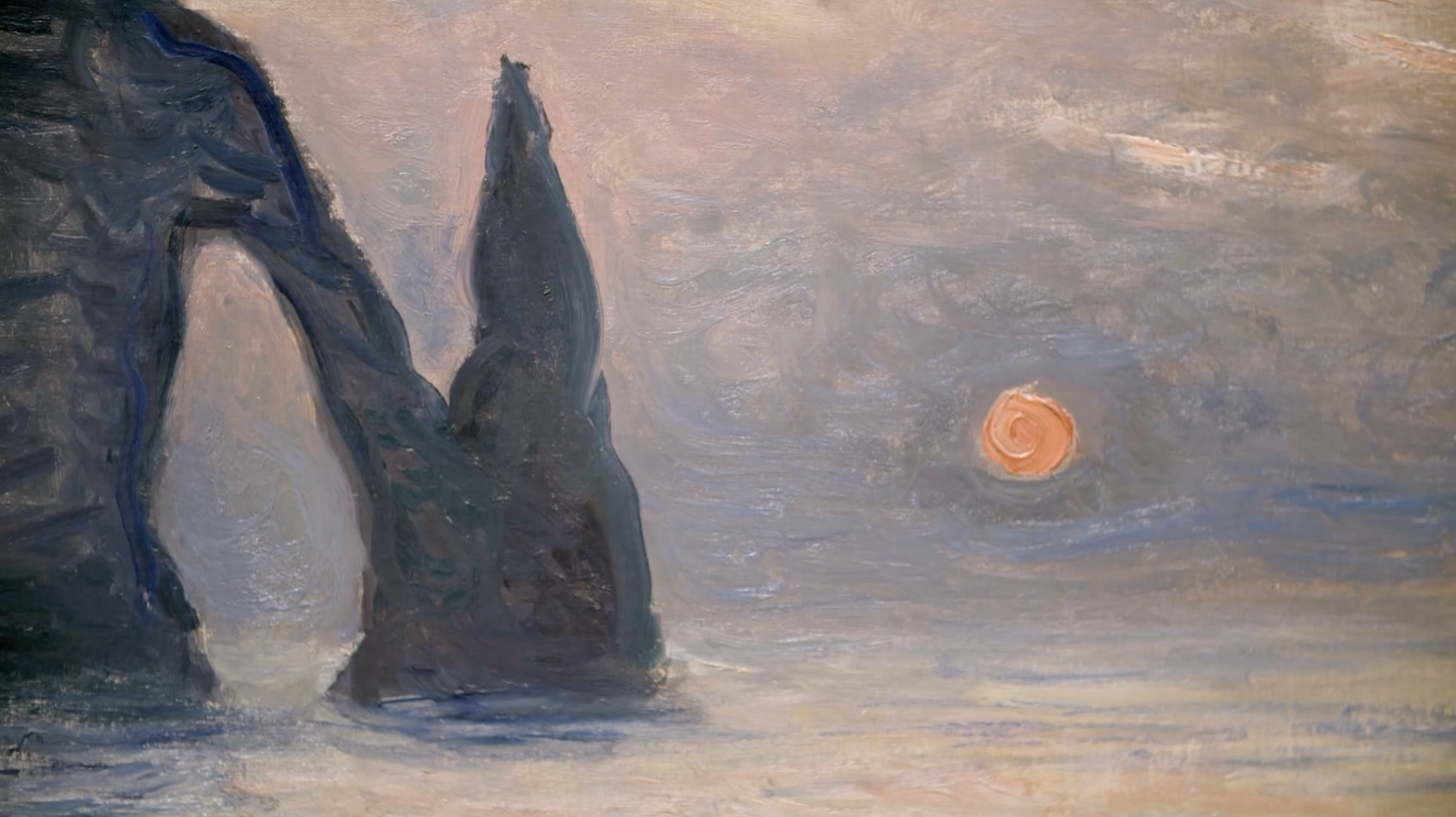
“Out of the studio and into the open air – to paint nature on site” was the impressionists‘ credo. Claude Monet, their most famous representative, deliberately sought to break with the academic style of painting and shocking the art world at the time. The places where Claude Monet painted and lived are of enormous importance for his work.
The film travels from Paris, where Monet painted the large boulevards and the Gare St. Lazare and follows the river Seine, from the picturesque Argenteuil to Vétheuil,
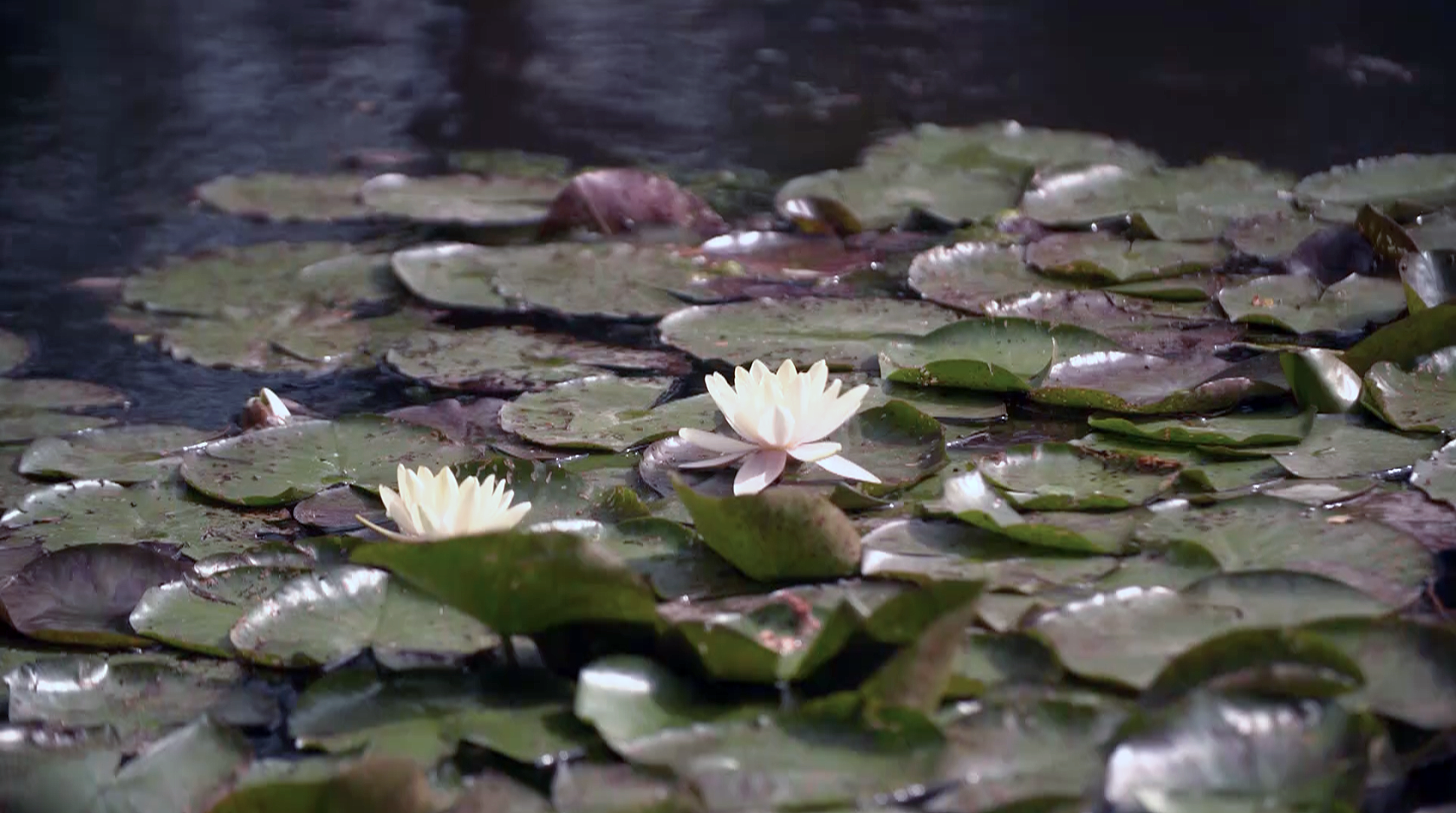
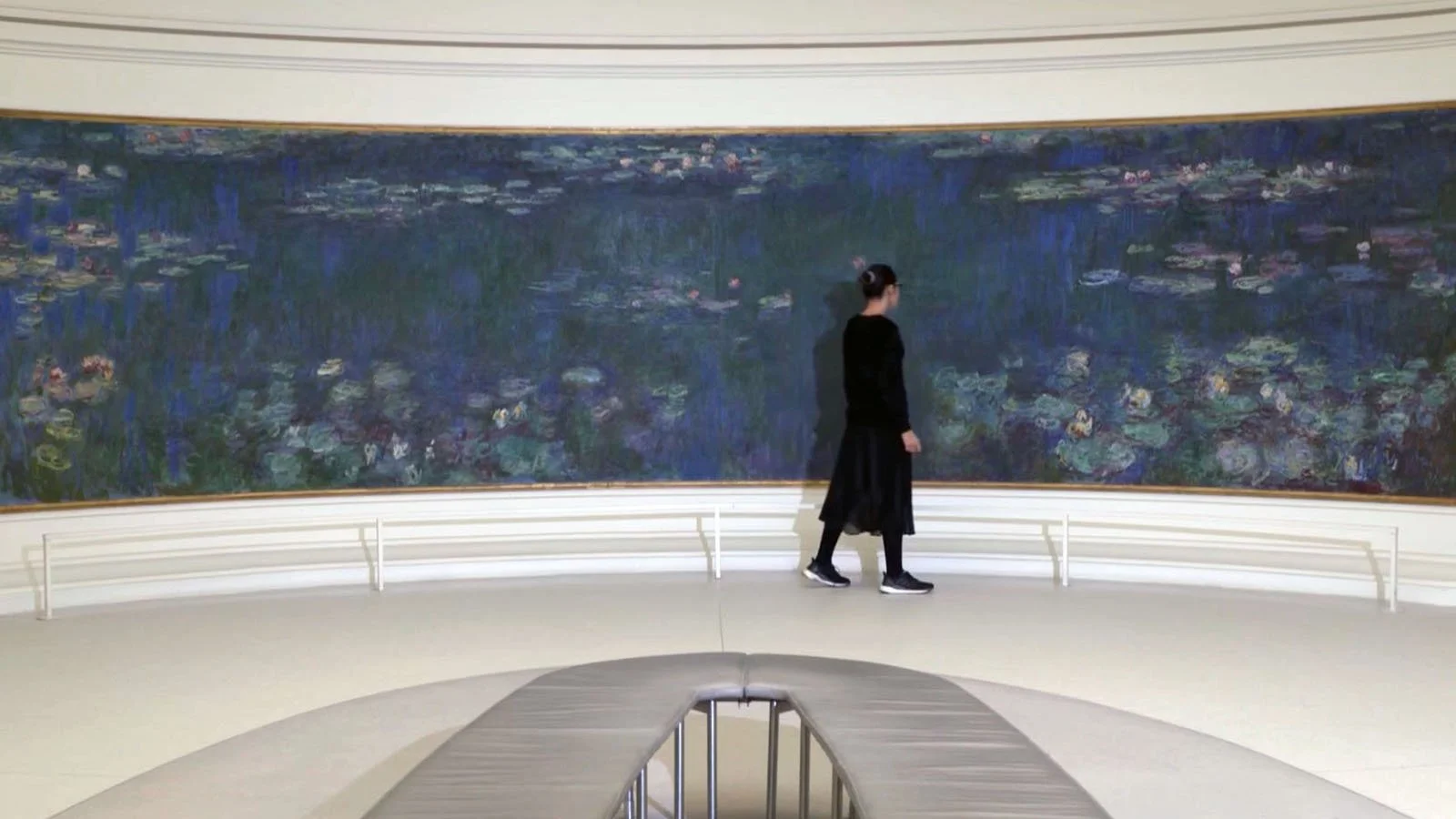
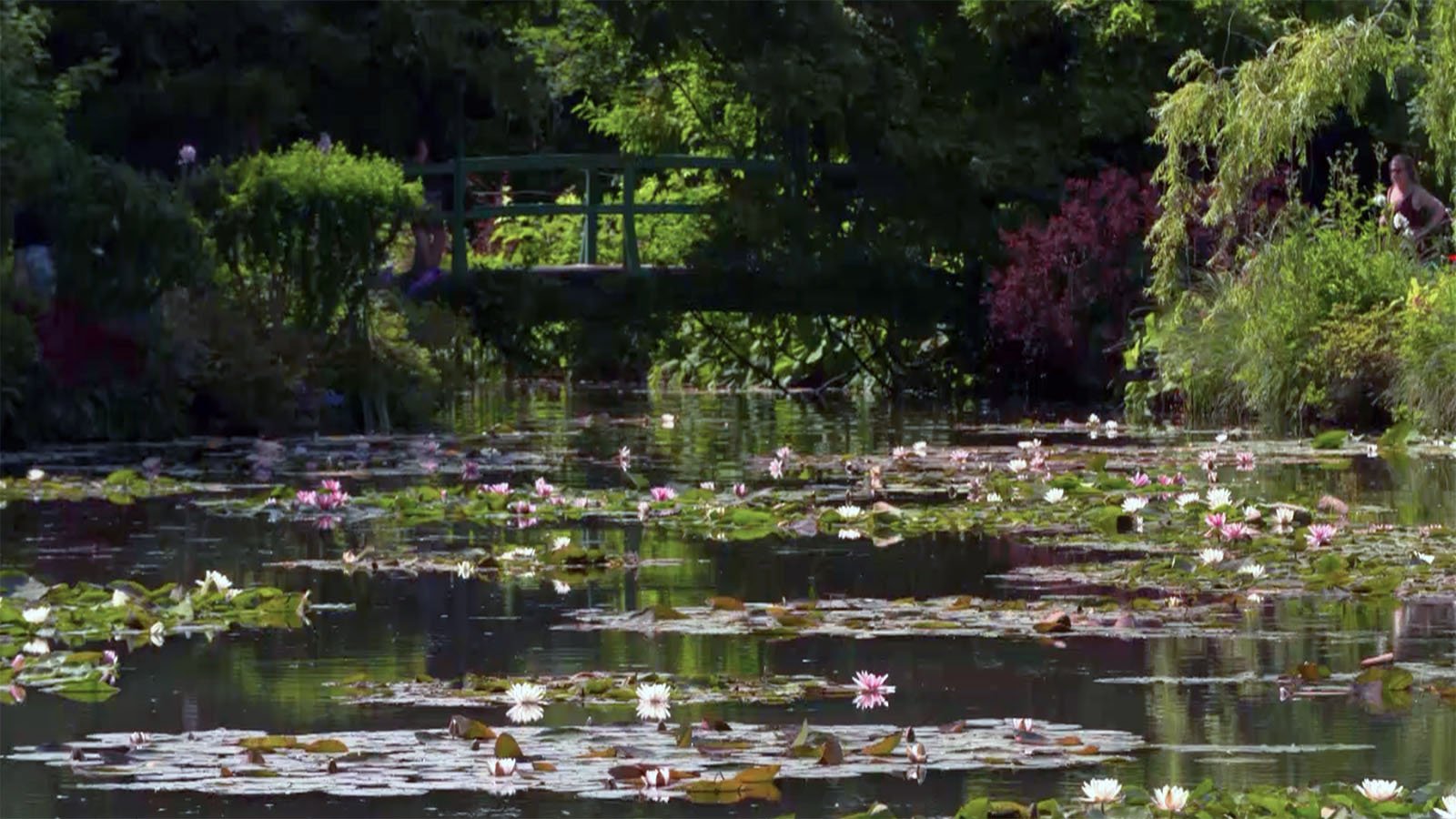
a place of personal strokes of fate for the painter. From there it continues to Rouen, whose cathedral owes its worldwide fame to Monet’s paintings, and finally to Giverny, probably the world’s most famous garden, the artist’s last place of work for more than 40 years.
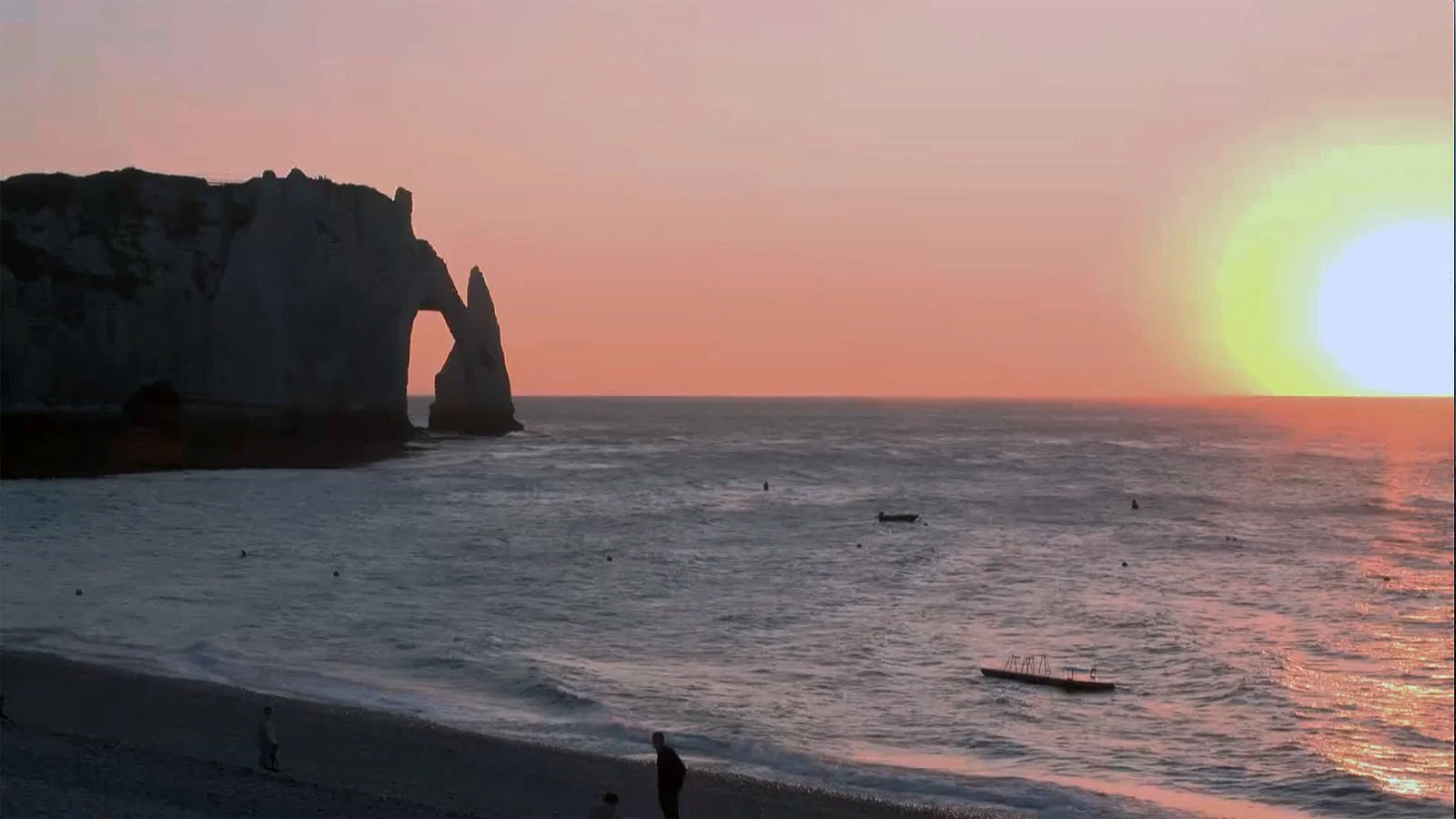
Throughout this journey Monet biographers, art historians and photographers help us finding answers to the following questions: Where exactly did he set up his easel? To what extent can these places still be experienced today? How did Monet see things then and how do we see these places today? How much has Monet’s way of capturing his surroundings on canvas changed our view of nature over the past 150 years?
Crew
Author & Director
Cinematographer
Editor
Sound
Production Manager
Sound Design
Producer
Executive Producer
Editor NDR/Arte
Editor SRF
Production Company
Production Company
World Sales
„Raus aus dem Atelier und ins Freie, um die Natur vor Ort zu malen“ war das Credo der Impressionisten. Claude Monet, ihr berühmtester Vertreter, suchte bewusst den Bruch mit der akademischen Malweise, schockierte damit die Kunstwelt seiner Zeit. Gerade die Orte, an denen Claude Monet malte und lebte, sind für sein Werk von enormer Bedeutung.
Der Film reist von Paris, wo Monet sich mit den großen Boulevards und dem Gare St. Lazare beschäftigte, weiter die Seine entlang in das malerische Argenteuil und nach Vétheuil, Ort persönlicher Schicksalsschläge für den Maler. Von dort geht es weiter nach Rouen, dessen Kathedrale ihren weltweiten Ruhm sicherlich auch Monets Bildern verdankt, und schließlich nach Giverny, in den wahrscheinlich berühmtesten Garten der Welt, zugleich letzte Wirkungsstätte des Künstlers.
Im Laufe dieser filmischen Reise treffen wir auf Monet-Biographen, Kunsthistoriker und Photographen und klären die Fragen: Wo genau stellte Monet seine Staffelei auf? Inwieweit sind diese Orte heute noch so erfahrbar? Wie sah er die Dinge damals und wie sehen wir diese Orte heute? Wie sehr hat Monets Art, seine Umgebung auf der Leinwand einzufangen, unseren Blick auf die Natur in den vergangenen 150 Jahren verändert?

Mathias Frick
Céline Metzger, Alexander Seidenstücker
Antje Lass
Arnaud Hudelot
Fabian Motz
Julius Hofstädter
Anahita Nazemi
Corinne Delpech, Christilla Huillard-kann
Kathrin Brinkmann
Jürg Gautschi
Kobalt Documentary, Berlin
Elda Productions, Paris
Absolut Medien, Berlin